The evolution of range hood inserts: A historical overview of design and function
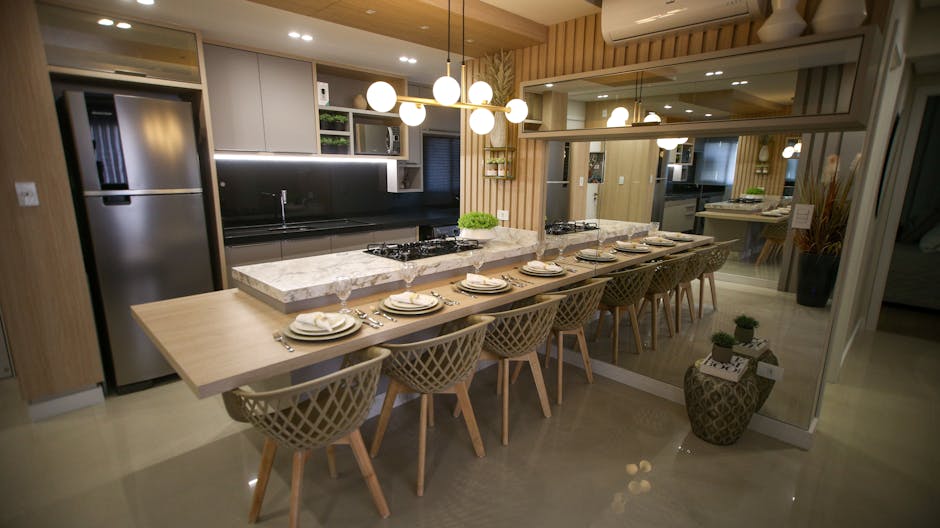
Range hood inserts serve as both functional appliances and stylish design elements in modern kitchens. As cooking practices and kitchen aesthetics have evolved, so too have the range hood inserts that play a crucial role in maintaining air quality and enhancing the cooking experience. This article explores the historical development of these essential devices, highlighting their transformation in design and function from their early origins to today’s sophisticated models.
The Origins of Range Hood Inserts
The concept of range hoods can be traced back to ancient civilizations, where open fires in homes created a significant need for ventilation. Early range hood inserts were rudimentary structures made from materials such as wood and stone, designed primarily to draw smoke and odors away from the cooking area. In medieval Europe, large fireplaces often featured crude hoods that directed smoke outside, marking the beginning of more organized kitchen ventilation systems.
As the culinary arts advanced, so did the technology behind kitchen ventilation. With the advent of gas stoves in the 19th century, the need for more efficient air management systems became apparent. This led to the development of more specialized range hood inserts, which began incorporating advancements in material technology and design ergonomics. These early inserts, while functional, were still relatively bulky and not particularly aesthetic.
Mid-20th Century Innovations
The post-World War II era marked a significant turning point for range hood inserts as consumer demand for modern kitchens increased. Manufacturers began to prioritize both form and function, creating designs that catered to the growing trend of open-concept living spaces. This period saw the introduction of stainless steel and aluminum in range hood construction, materials that not only enhanced durability but also provided a sleek appearance.
During this time, the introduction of ductless range hood inserts revolutionized the market. These inserts utilized charcoal filters to clean the air, allowing for more flexible installation options without the need for extensive ductwork. This innovation made range hood inserts more accessible to a broader audience, enabling homeowners to enjoy improved air quality without the constraints of traditional ventilation systems.
Contemporary Design and Functionality
In recent years, range hood inserts have continued to evolve, reflecting changing tastes in kitchen design and increasing consumer awareness of health and sustainability. Today’s range hood inserts are often designed to be integrated seamlessly into cabinetry, offering a clean and unobtrusive look. Brands now offer a variety of styles, from minimalist designs that match modern aesthetics to more ornate options that pay homage to traditional kitchens.
Moreover, advanced technology has made its way into range hood inserts. Many contemporary models feature smart technology, allowing users to operate the fan with a mobile app or voice commands. Energy-efficient motors, LED lighting, and improved filtration systems are now standard, enhancing their functionality while also reducing energy consumption. Homeowners can choose from options such as range hood inserts that best fit their culinary habits and design preferences.
The Role of Range Hood Inserts in Kitchen Safety
Another significant aspect of range hood inserts is their contribution to kitchen safety. Cooking inevitably produces smoke, grease, and odors, and without proper ventilation, these elements can build up, creating both health and fire hazards. Modern range hood inserts are designed to efficiently capture these pollutants, helping to maintain a cleaner and safer cooking environment.
Regular maintenance and proper installation of range hood inserts are essential to ensure their effectiveness. Homeowners are encouraged to clean filters regularly and ensure that the units are functioning correctly to maximize their safety benefits. With proper care, these devices not only improve air quality but also extend the life of kitchen appliances by reducing grease accumulation.
Future Trends in Range Hood Inserts
As we look to the future, the evolution of range hood inserts seems poised to continue. One emerging trend is the integration of improved air quality sensors that can detect pollutants and automatically adjust fan speeds for optimal performance. Moreover, as more homeowners prioritize sustainability, manufacturers are likely to focus on creating eco-friendly models that use recyclable materials and energy-efficient designs.
The growing popularity of open kitchens means that range hood inserts will also need to evolve to function as decorative elements. Customization options that allow consumers to choose finishes, shapes, and even built-in lighting will likely become more standard. As the line between utility and décor blurs, range hood inserts will remain at the forefront of kitchen design innovation.
In conclusion, range hood inserts have undergone significant transformations over the years, evolving from basic smoke-dissipating structures to highly sophisticated appliances that blend seamlessly into modern kitchens. As technology continues to advance and design trends shift, these essential devices will undoubtedly adapt, ensuring that they remain vital components in both functionality and style for future generations. Understanding their evolution helps consumers appreciate not just their utility, but also their role in creating a healthier and more inviting cooking environment.