The Evolution and Psychology of Slot Machines: From Mechanical Reels to Digital Engagement
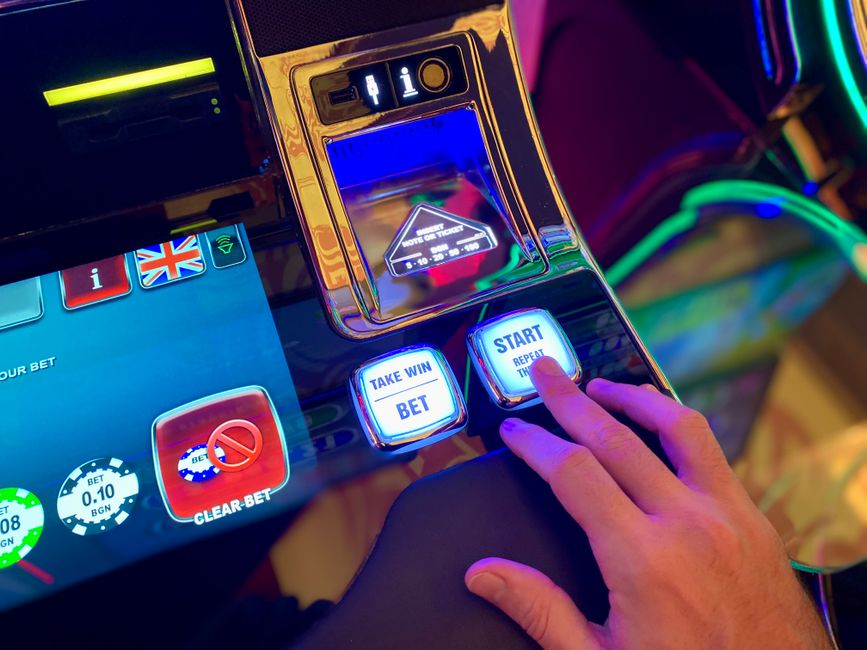
The slot machine, often considered the backbone of the casino gaming industry, has undergone a remarkable transformation over the past century. From its humble beginnings as a simple mechanical device dispensing chewing gum or cigars, to today’s sophisticated digital platforms offering immersive audiovisual experiences, the slot ecosystem now represents a multi-billion-dollar global market. This article provides a professional analysis of the mechanics, psychological underpinnings, historical progression, and regulatory landscape of slot-based gaming, with a particular focus on how these elements converge in modern interactive environments.
The Mechanical Origins of the Slot Machine
The first patented slot machine, the Liberty Bell, was created by Charles Fey in San Francisco in 1895. It featured three spinning reels and five symbols: horseshoes, diamonds, spades, hearts, and a cracked Liberty Bell. When three Liberty Bells aligned, the machine paid out the maximum jackpot of 50 cents. The fundamental mechanism relied on spring-loaded reels that would spin and stop at random positions. However, the randomness was not absolute; rather, it was governed by a finite number of physical stops on each reel. This limitation meant the probability of hitting a specific combination was calculable but small. For decades, these mechanical slot machines dominated bars, saloons, and early casinos, offering simple entertainment without the complexities of modern digital systems. The pull of the lever and the clatter of coins hitting the metal payout tray created a tactile feedback loop that players found deeply satisfying.
Electromechanical Advances and the Rise of Video Slots
The 1960s and 1970s brought a seismic shift with the introduction of electromechanical slot machines. The Bally Money Honey, released in 1963, was the first to operate without a central mechanical shaft, using electrical motors to spin the reels. This allowed for larger jackpots—up to 500 coins—and introduced the side lever that became iconic. More importantly, the shift to electromechanical systems enabled the incorporation of more paylines, bonus features, and progressive jackpots that pooled player wagers across multiple machines. By the 1980s, video slot machines appeared, replacing physical reels with digital displays. The first true video slot, Fortune Coin, debuted in 1976 in Las Vegas. It used a modified 19-inch Sony TV screen and random number generator (RNG) software. This change was revolutionary: it gave designers unlimited freedom to create complex, multi-line games with interactive bonus rounds, branded themes (e.g., movie or television show tie-ins), and dynamic visual effects. The RNG ensured that every spin was independent and unpredictable, a standard that remains central to regulation today.
Psychological Design: The Science Behind Engagement
Modern slot game design is as much about applied psychology as it is about engineering. Developers employ several key principles to maintain player engagement: variable ratio reinforcement, derived from B.F. Skinner’s operant conditioning research; near-miss effects, where the visual display shows almost-winning combinations to encourage continued play; and losses disguised as wins, where a spin that yields a payout smaller than the wager is accompanied by celebratory sounds and animations, creating a false sense of success. The slot machine’s ‘hold’ percentage—the mathematical edge retained by the casino—is typically between 2% and 15%, but the psychological volatility of low-frequency, high-value jackpots keeps players spinning. Additionally, the use of bright colors, thematic music, and rapid spin cycles (often under 3 seconds) induces a state of flow, where time perception is distorted. In digital contexts, features like auto-spin and ‘bonus buy’ options accelerate this cycle further.
The Digital Transformation and Online Slot Platforms
The advent of the internet in the 1990s gave rise to online slot games, which now represent the largest segment of the iGaming industry. Unlike their land-based counterparts, online slots can offer thousands of paylines, progressive network jackpots that reach millions, and innovative mechanics like ‘Megaways’ (a dynamic reel system that changes the number of symbols per spin) and ‘cluster pays’ (where wins are based on adjacent symbol groups rather than paylines). Game providers such as NetEnt, Microgaming, and Playtech engineer a vast library of titles, each with unique volatility profiles, return-to-player (RTP) rates, and bonus structures. For players seeking a curated collection of these digital slot experiences, platforms like slot provide a curated, secure environment that aggregates top-tier games from multiple developers, ensuring fair RNG certification and responsible gaming tools.
Regulation, Fairness, and Future Trends
Legitimate slot machines—both physical and digital—are subject to stringent regulatory oversight. In the United States, each state’s gaming commission tests RNG software for statistical randomness; in the United Kingdom, the Gambling Commission enforces strict codes of practice regarding machine placement, maximum stakes, and player protections. Future trends point toward blockchain-integrated slot games that offer provably fair outcomes via smart contracts, and virtual reality (VR) environments where players can walk through a 3D casino and physically pull a virtual lever. As artificial intelligence matures, adaptive slot games may adjust volatility in real time based on player behavior patterns—a development that raises both ethical questions and design possibilities. The core appeal of the slot, however, remains timeless: the potent combination of chance, sensory reward, and the hope of a life-changing win. Understanding its evolution and mechanics is essential for any professional in the gaming, regulatory, or behavioral science fields.